Non-Surgical vs. Surgical Treatments: How to Know Which One You Need
Not every cosmetic concern needs surgery, but not every concern can be fully corrected without it. It’s important to understand when a non-surgical treatment may be enough, and when surgery may be needed to achieve the result you want. The right option depends on what you’re trying to correct, how advanced the concern is, and how much change you’re looking for.
In This Article
Nose Reshaping: Non-Surgical Nose Job vs. Rhinoplasty
A non-surgical nose job can be a great option when the main concern is a bump or hump on the side profile, a slightly drooping tip, mild asymmetry, or a nose that appears uneven from certain angles.
With filler, we can smooth the appearance of bumps or humps to improve the profile, create the appearance of a straighter bridge, and slightly lift the tip. Botox may also be used to reduce nasal flaring, and threads can help create a slimmer-looking bridge for the right candidate.
Surgery is usually needed when the nose is too large, the bridge is very wide, the tip needs to be reduced, or the bone or cartilage needs to be reshaped.
Filler cannot remove bone, shrink cartilage, or physically reduce the size of the nose. It can only add volume strategically to improve the overall appearance. In some cases, this can make the nose look more balanced or even appear smaller, but it is not the right solution for every nose.
Sagging Skin: Thread Lift vs. Facelift
A PDO thread lift can be a good option for minimal to mild sagging, especially when the patient is starting to notice early jowling, softer jawline definition, or mild heaviness around the lower face.
Threads can help reposition the tissue, create a subtle lift, and stimulate collagen over time. This is best for patients who want a natural improvement without surgery and who still have enough skin elasticity to support the result.
A facelift is usually needed when sagging is more advanced. This includes severe jowling, heavy loose skin, and deep folds. In these cases, threads may not be strong enough to create the level of lift needed.
Volume Loss: Fillers and Biostimulators vs. Fat Transfer or Surgical Lifting
HA fillers, Sculptra, and Radiesse can be great options for volume loss when the concern is hollowing in areas like the cheeks, temples, or lower face.
These treatments can restore volume, improve contour, soften lines, and support the skin. Biostimulators like Sculptra and Radiesse can also stimulate collagen production and skin quality over time.
A fat transfer may be a better option when the face needs a larger amount of volume restored than filler can naturally provide. This is usually seen when the face looks very hollow, depleted, or sunken in multiple areas.
Body Volume: Hip Dips and Buttocks
Non-surgical body contouring can be helpful for patients who want subtle improvement in hip dips, mild volume enhancement, or better skin quality in areas like the buttocks or hips.
Biostimulators may be used to stimulate collagen and gradually improve the appearance of volume, firmness, and texture. This can be a good option for patients who do not want surgery, do not have enough fat for a fat transfer, or want a more natural and gradual result.
A fat transfer surgery may be a better option when the patient wants a more dramatic increase in volume, a significant shape change, or a more noticeable buttocks enhancement.
Fat Loss: Semaglutide or Tirzepatide vs. Liposuction
Medical weight loss with Semaglutide or Tirzepatide is best for patients who want to lose weight. These medications can help reduce appetite and cravings, make you feel fuller for longer, and support weight loss gradually when prescribed and monitored by a medical provider.
This is a good option when the concern is weight management, cravings, or wanting to lose fat all over the body.
Liposuction is different. Liposuction is best for patients who are at their goal weight but have pockets of stubborn fat that do not respond to diet, exercise, or weight loss medication.
Liposuction does not replace weight loss. It is a body contouring procedure, not a general weight loss treatment.
Choosing the Right Treatment
The best treatment is the one that matches the concern correctly.
Non-surgical treatments can be very effective when the goal is to improve, refine, or restore without making a major change. Surgery may be the better option when the concern requires a level of correction that non-surgical treatments cannot realistically achieve.
At Dr. Olga Zilberstein Medical Aesthetics, every treatment plan starts with an honest evaluation. The goal is to recommend what will work for your anatomy, your concerns, and the result you want, even if that means referring you for surgery when that is the better option.
Frequently Asked Questions
What is the difference between non-surgical and surgical treatments?
Non-surgical options use injectables, threads, or devices to reshape, lift, or restore volume without incisions. Surgical options involve operative procedures to physically alter bone, cartilage, or tissue for larger or more permanent changes.
When should I consider non-surgical options?
When you want subtle improvements, a quicker recovery, or a test-drive before committing to surgery. If your goals are moderate changes and your skin still has good elasticity, non-surgical paths can be a great first step.
What are common non-surgical options for nose reshaping?
Fillers to smooth bumps or refine the bridge, Botox to reduce nasal flare, and threads to lift or slim the nose contour. These are best for minor adjustments and when there’s enough, skin elasticity to support a natural look.
What are risks of non-surgical nose job vs rhinoplasty?
Non-surgical tweaks are typically temporary and may require maintenance. They don’t remove bone or reshape cartilage, so larger discrepancies aren’t fixable this way. Rhinoplasty is more invasive but can produce long-lasting, substantial changes.
How long do results last for fillers vs fat transfer?
Fillers and biostimulators typically last several months to a couple of years, depending on product and area treated. Fat transfer provides longer-lasting volume but is a surgical procedure with a longer recovery.
How do I know which treatment is right for me?
Start with a clear description of your goals, the level of change you want, and your tolerance for downtime. A medical aesthetic evaluation can help determine whether non-surgical options suffice or if a surgical route would better meet your expectations.
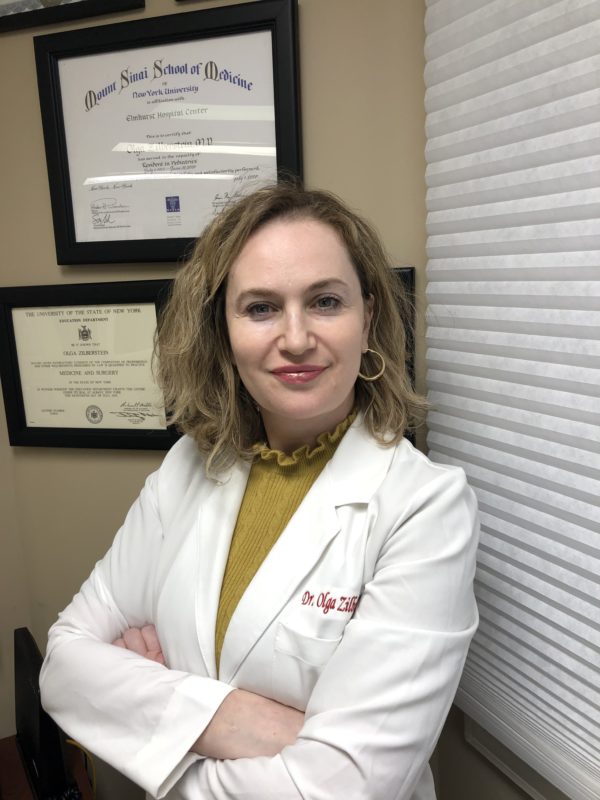


Dr. Olga Zilberstein has been practicing medicine for over 25 years. She completed her residency at Elmhurst Hospital, Mount Sinai Services, NY. She worked in both the Emergency Department and Inpatient Unit as an Assistant Clinical Professor, where she taught medical students and residents.


