What Is Botox? Guide to Botox, Dysport and Jeuveau
Botox is best known for smoothing lines and wrinkles, but it can do so much more. Neurotoxin injections can also be used to subtly enhance certain features and provide relief from concerns caused by overactive muscles, including jaw tension, teeth grinding, visible neck bands and excessive sweating.
With more than 20 years of experience in medical aesthetics, Dr. Olga Zilberstein customizes every Botox treatment based on the patient’s anatomy, muscle strength, facial movement and desired result.
In This Article
What Is Botox?
“Botox” is often used as a general term for wrinkle-relaxing injections, but BOTOX® Cosmetic is actually one specific brand.
These treatments belong to a category known as botulinum toxin type A injections, also called neurotoxins or neuromodulators.
Botox temporarily reduces nerve signals in injected muscles so they do not contract as strongly or at all. The skin does not become numb, and the muscle is not permanently changed, it simply becomes less active for a period of time.
The treatment itself is quick, but the results are not immediate. Most patients begin noticing a change within a few days. The result usually continues developing over the following two weeks, depending on the product and treatment area.
Results last approximately three to four months, although every patient is different. Areas with stronger muscles or frequent movement may wear off sooner because the muscle activity gradually returns. The treatment area, dosage, product used, metabolism and individual response can all affect how long the results last.
Botox vs. Dysport vs. Jeuveau
There are several brands of botulinum toxin type A. At Dr. Olga Zilberstein Medical Aesthetics, we carry:
While they work very similarly, individual patients may respond better to one brand than another. Factors such as how quickly the treatment takes effect, how it diffuses, personal preference, and previous treatment history may influence which product is the best choice.
Where Can Botox Be Injected on the Face?
Botox can be used throughout the upper, middle and lower face. Depending on where it is placed, it may smooth expression lines, create a subtle lift, refine certain features or reduce the effects of an overactive muscle.
Forehead Lines
Horizontal forehead lines form when the eyebrows are repeatedly raised. Botox reduces how strongly the forehead muscles contract, helping the area appear smoother while maintaining an appropriate amount of natural movement.
Frown Lines Between the Eyebrows
Frown lines, also called glabellar lines or “11 lines,” develop from repeated frowning and squinting. Botox reduces the muscle activity between the eyebrows, helping these lines appear softer and preventing the area from creasing as deeply.
Crow’s Feet
Crow’s feet are the lines that appear around the outer corners of the eyes when smiling or squinting. Botox can soften these lines while preserving a natural-looking smile.
Botox Brow Lift
Certain muscles pull the eyebrows downward, which can make the eye area look heavy or droopy. A Botox brow lift reduces this downward pull to create a subtle lift through the outer brows, helping the eyes appear more open.
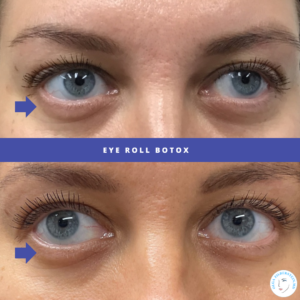
Under-Eye Jelly Roll Botox
The jelly roll is the small bulge that appears beneath the lower eyelid when smiling or squinting. A carefully placed amount of Botox can reduce the muscular bulkiness of this area, making the bulge appear softer and less prominent.
Bunny Lines
Bunny lines are the diagonal wrinkles that appear along the sides of the nose when smiling or scrunching the face. Botox reduces the muscle movement that creates these lines, helping the area look smoother.
Botox for Nasal Flaring, Nose Slimming and a Drooping Tip
Several small muscles around the nose can affect how wide, bulky or droopy the nose appears during facial expressions.
Strategically placed Botox injections around the nose can reduce excessive nostril flaring and decrease muscular movement that makes the nose appear wider. For the right patient, treating several areas of the nose can create a noticeably slimmer and more refined appearance.
Botox may also be placed into the muscle that pulls the nasal tip downward. For patients whose nose appears to droop when they smile, relaxing this muscle can create a subtle lifted appearance.
Botox does not physically shrink the nose or change its bones and cartilage. The result comes from reducing muscular movement, making this a temporary refinement rather than a permanent structural change.
Lip Flip and Smoker’s Lines
A lip flip relaxes part of the muscle surrounding the upper lip, allowing the lip to gently turn outward. This makes more of the upper lip visible, helping it look slightly fuller and more lifted without adding filler. This can also reduce excessive pursing and soften the vertical lines above the lips commonly called smoker’s lines.
Gummy Smile Botox
A gummy smile occurs when the upper lip lifts high enough to expose more of the gums than desired. Botox reduces how high the upper lip rises when smiling, creating a more balanced smile.
DAO Botox for Downturned Mouth Corners and Marionette Lines
The depressor anguli oris, or DAO muscles, pull the corners of the mouth downward. When these muscles are strong, they can contribute to downturned mouth corners and an unintentionally sad, stern or “RBF” appearance while the face is at rest.
Botox relaxes this downward pull, helping the mouth corners appear subtly lifted. Reducing the pull from the DAO muscles also softens the marionette lines.
Chin Dimpling
An overactive mentalis muscle can create a dimpled, “cobblestone-like” texture across the chin. Botox relaxes this muscle, helping the chin appear smoother and less tense.
TMJ Botox and Masseter Botox
The temporomandibular joint, commonly called the TMJ, connects the lower jaw to the skull. Problems involving this area may cause jaw discomfort, clicking, clenching, teeth grinding, headaches or tension throughout the face.
Botox can be injected into the masseter muscles to reduce excessive muscle activity and tension. This can also create a slimmer and less square-looking lower face.
Platysma Band Botox
The platysma is a thin muscle that extends across the neck and into the lower face. When it contracts strongly, it can create visible vertical neck bands and contribute to downward tension through the lower face. This helps visible neck bands appear smoother and less prominent.
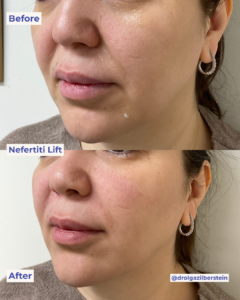
Nefertiti Lift
A Nefertiti lift involves placing Botox along the lower border of the jawline.
The platysma pulls downward on the lower face and jawline. Reducing this pull can help the jawline appear more defined and create a subtle lifted effect through the lower face.
Trap Botox
Trap Botox is placed into the trapezius muscles across the upper shoulders. It can help relax prominent or overactive muscles, reduce muscular tension and create a softer, less bulky shoulder appearance.
As the trapezius muscles become less prominent, the neck may also appear longer and more elongated.
Botox for Excessive Sweating
Botox can temporarily reduce the nerve signals that activate the sweat glands, making it an option for hyperhidrosis, or excessive sweating.
It may be used to reduce excessive sweating in areas such as the underarms, palms of the hands and soles of the feet.
Frequently Asked Questions about Botox
Can Regular Botox Treatments Help Prevent Deeper Wrinkles?
Wrinkles develop when the skin is repeatedly folded by the same facial movements. Over time, these lines may become deeper and remain visible even when the face is completely relaxed.
When Botox treatments are maintained regularly, the treated muscles do not contract as much and the skin is creased less often. This may help prevent expression lines from becoming deeper.
However, Botox primarily treats lines caused by muscle movement. If a wrinkle remains visible while the face is completely at rest, Botox alone may not remove it entirely. Depending on the depth of the wrinkles, treatments such as dermal filler, collagen-stimulating treatments, or a thread lift may also be recommended.
How long do results from Botox last and why can they vary?
Results typically last about three to four months, but it varies. Areas with stronger muscles or more movement may wear off sooner because muscle activity gradually returns. The product used, dosage, metabolism, treatment area, and individual response all affect how long the results last.
Will Botox Make My Face Look Frozen?
Botox does not have to eliminate every bit of facial movement.
The dosage is one of the biggest factors in determining how much movement remains. A more conservative amount can soften lines while preserving more expression, while a higher dosage may create a smoother result with less movement. Placement and individual anatomy also affect the outcome.
Some patients want a very smooth result, while others prefer to maintain more facial movement. Discussing your preference before treatment allows the dosage and placement to be adjusted accordingly.
Schedule a Botox Consultation in New York
Schedule a consultation with Dr. Olga Zilberstein Medical Aesthetics in Hewlett, Long Island, or Brooklyn, New York, to discuss which treatment areas and neurotoxin brand may be right for you.
Schedule an Appointment online or call us at 1-718-614-9511.
If you have questions, please feel free to reach out to us via our contact form here.



Dr. Olga Zilberstein has been practicing medicine for over 25 years. She completed her residency at Elmhurst Hospital, Mount Sinai Services, NY. She worked in both the Emergency Department and Inpatient Unit as an Assistant Clinical Professor, where she taught medical students and residents.


