
The Truth About Fillers: Migration, Natural Results, and Future Facelifts
Many patients come into my practice interested in filler but hesitant because of what they have seen online or in real life. They worry about looking overdone, filler moving to another area, or whether having injectables now could prevent them from getting a facelift later. I always say you see overdone, unnatural results because they’re easy to spot; so many beautiful, youthful people are doing fillers or other cosmetic treatments, but you have no idea something was done because they look so natural.
Social media can show you a complication without explaining the product used, the treatment history, or what caused the problem. It can also make an extreme result seem representative of everyone who gets filler.
But what I want patients to understand is that fillers themselves aren’t necessarily the problem. How they’re used matters.
These are some of the most common concerns I hear from patients, and I want to address what’s true, what’s misunderstood, and what you should actually know before getting filler.
Will fillers make my face look unnatural?
One of the biggest misconceptions about fillers is that getting them means changing the way you look.
In reality, you can use filler very subtly. We can restore volume that’s been lost with age, improve facial symmetry, soften folds, or add definition without dramatically changing someone’s appearance.
Achieving natural results requires understanding facial anatomy and proportions. It’s also important to recognize when filler isn’t the right treatment.
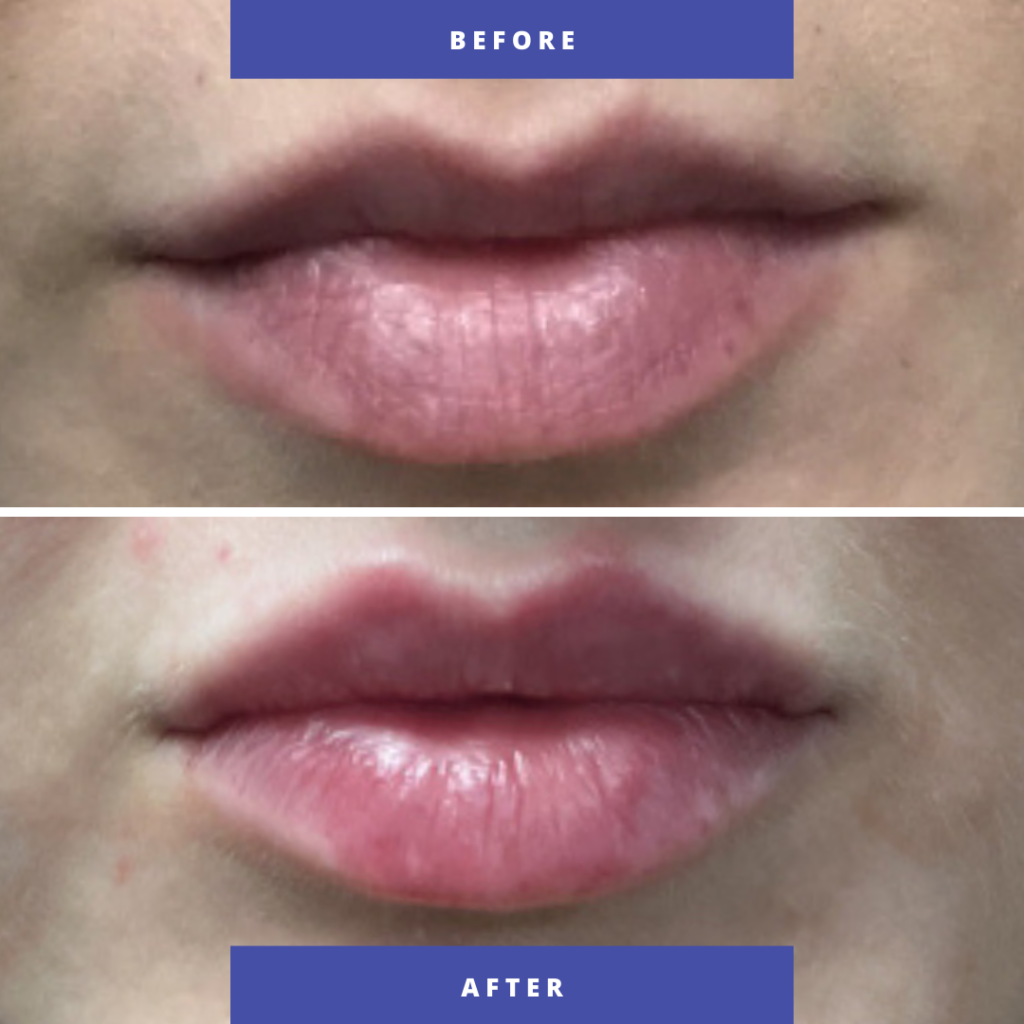
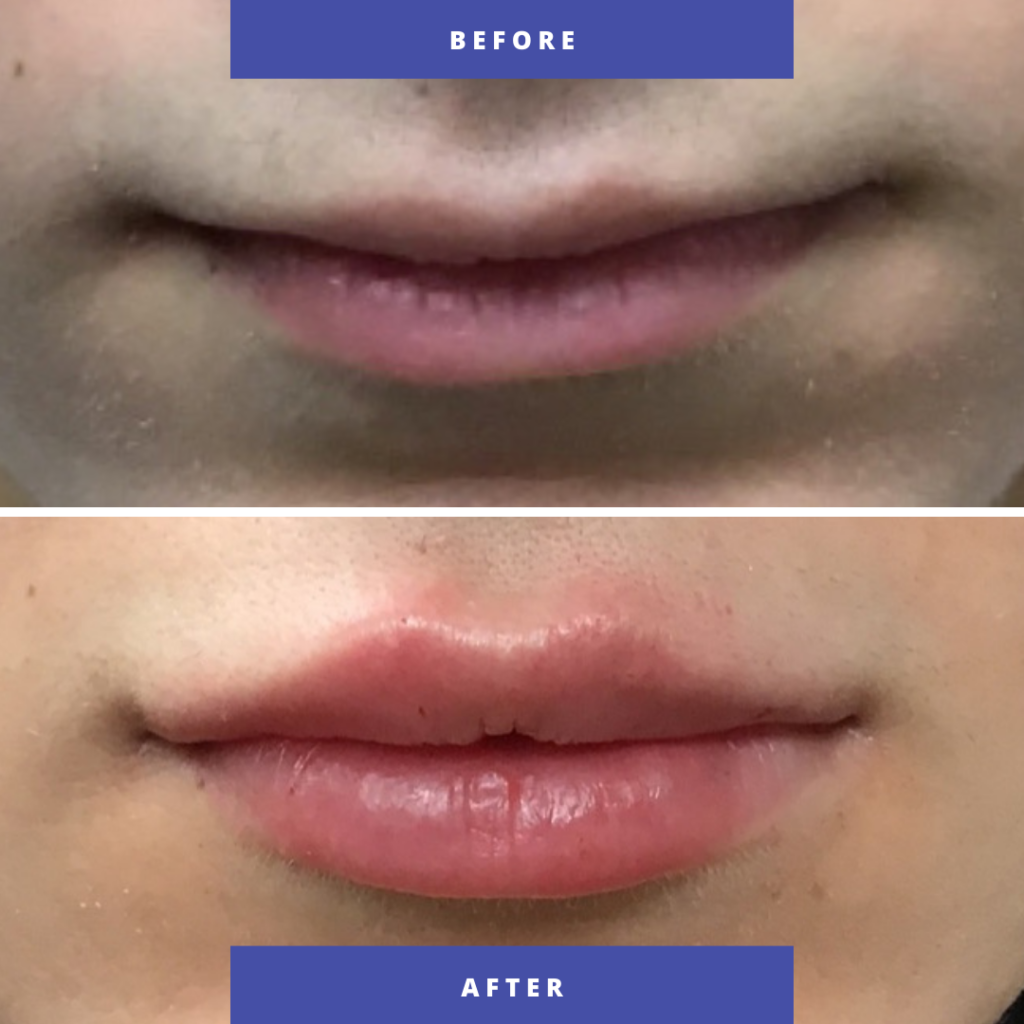
My approach has always been to enhance your features, not make you look like someone else. Sometimes that means using less filler, and sometimes it means recommending something entirely different.
What about filler migration? Does it happen to everyone?
Filler migration is another concern we hear often, especially with lip filler.
Migration occurs when filler moves beyond the area where it was originally placed. In the lips, this can create fullness above the natural lip border. In other areas, it may cause unwanted puffiness or bulges.
But migration doesn’t automatically happen to everyone who gets filler.
The type of filler, injection technique, placement, amount injected, and individual anatomy all influence the results.
Before injecting, we need to assess what’s already there. Some patients still have enough volume from previous treatments and don’t need additional product, or they may need dissolving.
And if migration does happen, it doesn’t necessarily mean you’re stuck with it.
Hyaluronic acid fillers can often be dissolved using an enzyme called hyaluronidase. Depending on the situation, we may recommend dissolving the migrated filler, allowing the area to settle, and reassessing whether additional treatment is appropriate.
Will getting filler now prevent me from having a facelift later?
This is a concern I hear more often now, especially from patients who wonder whether years of injectables or previous thread lifts could complicate facial surgery down the road.
The good news is that having filler or a thread lift doesn’t automatically mean you can’t get a facelift later.
In a small study coauthored by Dr. Sabrina Fabi, 20 patients had facelifts after receiving nonsurgical treatments. Patients reported high satisfaction with their results, and the researchers found no significant surgical complications they could attribute to prior filler or collagen-stimulating injections.
Timing does matter, though. In a separate survey, facial surgeons described cases where tissue was harder to separate after collagen-stimulating treatments. They generally found facelifts more challenging when surgery took place within six months of treatment, although they didn’t agree on one ideal waiting period.
If you’re thinking about a facelift, these are conservative planning estimates to discuss with your plastic surgeon. These aren’t universal requirements, and the appropriate timing depends on your treatment history.
- HA filler – 1-2 years
- Radiesse — 1-2 years
- Sculptra — 2 years
If you’re considering a facelift, talk with both your plastic surgeon and your injector before scheduling your next treatment. Together, you can decide which treatments make sense now, which ones to hold off on, and how much time to leave before surgery.
When should I consider a facelift?
Frequently Asked Questions
It may be time to consider a facelift when the change you’re hoping for is more than nonsurgical treatments can realistically achieve. For example, if you have a lot of loose skin along your jawline and neck, adding more filler may create fullness without giving you the lift you want. At that point, it makes sense to talk with a plastic surgeon about your options.
What does a facelift actually improve?
A facelift repositions and lifts the deeper facial tissues and removes excess skin. This reduces or eliminates the jowls and gives the jawline more definition. It does not do much for skin quality, so crepey texture, fine lines around the lips, and sun spots are still visible afterward. A facelift is often combined with fat transfer, which improves skin quality and adds volume to the face.
Can I still get filler after a facelift?
Yes. Give yourself at least 9-12 months to heal, and see how your face looks once the swelling settles. If there’s an area where you’d still like a little more volume, filler, biostimulators, or microfat can be used to volumize the area.
Do I need to dissolve my filler before a facelift?
If you have hyaluronic acid filler in an area your surgeon plans to operate on, they may recommend dissolving it as with lower blepharoplasty. Otherwise, it can usually stay in place.
Can previous injectables make a facelift take longer?
After collagen-stimulating treatments, such as Sculptra or Radiesse, surgeons report the tissue layers can be harder to separate, so they may need more time to lift and reposition them.
If you’re considering filler but have concerns, schedule a consultation at our Brooklyn or Long Island office. We can discuss your options and determine which treatments, if any, make sense for you.
At Dr. Olga Zilberstein Medical Aesthetics, we take an individualized approach to facial rejuvenation, whether that involves fillers, collagen-stimulating treatments, skin tightening, or a combination of procedures.


